
ADHD & External Pressure: Unlocking Task Initiation
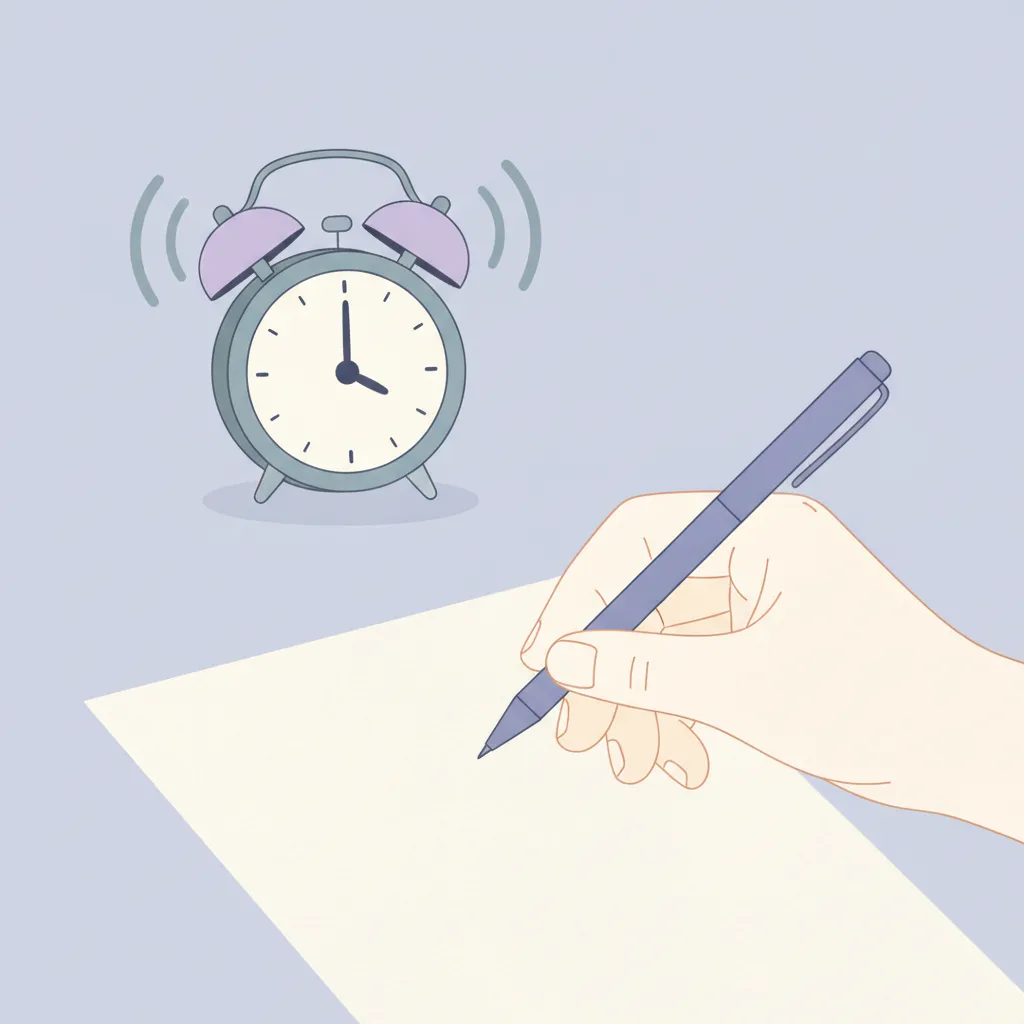
You know the feeling: you know exactly what you need to do, the task is clear, sometimes even important, yet you feel paralyzed. Hours pass, anxiety mounts, and starting remains impossible. This experience isn’t a sign of laziness or lack of willpower. For many, especially those with ADHD, this initiation block is a real neurological mechanism, often linked to a specific need: an external trigger.
It’s not a personal failure if a deadline, someone’s presence, or an explicit request prompts you to act when your internal motivation seems to vanish. On the contrary, understanding and utilizing this sensitivity to external pressure is a neuro-compatible strategy for progress.
The Paradox of Inertia: Understanding the ADHD Brain
Difficulty starting even simple tasks is one of the most frustrating and misunderstood symptoms of Attention-Deficit/Hyperactivity Disorder (ADHD). It’s not a matter of not wanting to do the task, but rather a neurological difficulty in activating the process to begin it. The problem often lies in executive functions—the mental processes that act as our brain’s “orchestra conductor,” responsible for planning, organizing, prioritizing, and crucially, initiating action. For adults with ADHD, these functions can be less efficient, making the transition from intention to action particularly challenging.
At the core of this difficulty is often dopamine dysregulation. This neurotransmitter plays a crucial role in motivation, the reward circuit, and the ability to sustain attention. In individuals with ADHD, this dopaminergic system is often under-stimulated or poorly regulated. This means tasks that don’t provide immediate rewards, lack intrinsic interest, or are perceived as boring or complex generate less dopamine, making them even harder to start. The ADHD brain tends to prioritize interest, urgency, and novelty over simple priority or long-term importance.
Imagine needing to file your tax return. It’s a crucial task, with clear consequences if left undone. Yet, for many with ADHD, this task can remain stalled for weeks, even months. It’s perceived as boring, complex, and provides no immediate satisfaction. Conversely, if a friend suggests starting an exciting new video game or a stimulating creative project, activation is almost instantaneous, and hyperfocus can set in for hours, because interest and novelty generate a dopamine surge. This contrast illustrates not a lack of ability or willpower, but a fluctuation in the capacity to mobilize attention and action based on dopaminergic stimulation.
The ADHD brain is often described as operating on interest and urgency, rather than simple priority, making the initiation of non-stimulating tasks particularly challenging.
“ADHD External Pressure”: An Unexpected Fuel
Given this internal initiation difficulty, external pressure becomes a powerful, often indispensable lever. Far from being a sign of weakness, relying on external triggers is a neuro-compatible strategy that helps bypass executive function deficits. An imposed deadline, social expectation, or even the mere presence of another person can provide the necessary “nudge” to transform intention into action.
It’s not that individuals with ADHD lack intrinsic motivation, but rather that they encounter an “access problem” to that motivation. External pressure acts as a clear, unambiguous signal that helps the brain focus and engage. It creates a sense of urgency or obligation that, for an ADHD brain, can replace the deficit of internal stimulation needed to start.
A striking example of this dynamic is “body doubling.” This technique involves accomplishing a task in the presence of another person, either physically or virtually. The “body double” doesn’t need to intervene or help directly; their mere presence acts as a catalyst for motivation and attention anchoring. It provides implicit social accountability, encouraging the person to stay focused and avoid distraction. It’s as if the presence of a benevolent witness makes the task less daunting or anxiety-provoking, creating an environment of psychological safety.
For example, imagine you need to tidy your desk, a task you’ve put off for weeks. Internal motivation isn’t enough to get you started. But if a friend comes to work next to you on their own project, even without interaction, you’ll feel more inclined to tackle the mess. Simple co-presence reduces feelings of isolation and activates neural circuits for trust and social engagement. Similarly, if you need to finalize an important work report, knowing a colleague expects it tomorrow morning will provide a push you might not have found alone. “ADHD external pressure” is therefore not a negative constraint, but a vital activation mechanism.
How “External Permission” Activates Motivation
The power of external permission or pressure lies in its ability to bypass several cognitive obstacles specific to ADHD. Firstly, it provides a clear starting signal. For a brain that struggles to initiate action, a precise external trigger eliminates the ambiguity of “when to start?” The decision to begin is no longer entirely internal, and thus subject to dopaminergic fluctuations, but is partly transferred externally.
Secondly, this “permission” reduces mental load. Individuals with ADHD are often overwhelmed by task complexity, the need to plan, break them down, and estimate their duration. A task can seem so vast and vague that it causes “analysis paralysis,” where one is unable to choose where to begin. External pressure—whether a deadline, an expectation from others, or an established routine—imposes a structure that lightens this planning and decision-making burden. It provides a framework that compensates for executive function deficits.
Consider organizing an event. If you’re solely responsible for planning everything—from choosing the venue to invitations, menu, and activities—the sheer scale of the task can be overwhelming, leaving you unable to take the first step. But if a friend tells you, “I’ll handle the invitations, you manage the venue, and we’ll check in Wednesday at 6 PM about the menu,” the task fragments, responsibility is shared, and the meeting date becomes concrete external pressure that forces initiation. It’s no longer a vague intention, but a structured commitment.
Furthermore, external pressure can stimulate dopamine release. Faced with an imminent deadline or another person’s expectation, the brain can feel an urgency that generates a dopamine surge similar to what one would experience for an intrinsically interesting task. This mechanism explains why many individuals with ADHD might procrastinate until the last minute, then achieve remarkable feats in hyperfocus under the intense pressure of a looming deadline. While not ideal time management, it’s proof of external pressure’s effectiveness as a trigger.
Strategies for Healthy Integration of External Pressure
Recognizing the utility of external pressure isn’t an invitation to overload yourself with stressful constraints, but to integrate targeted strategies that act as catalysts for action, working with your ADHD brain, not against it.
-
Micro-tasks and Externalizing the First Step: Task fragmentation is a fundamental ADHD strategy. Reducing a task to its tiniest action makes it less intimidating and easier to initiate. To add a healthy external pressure dimension, you can externalize this first step. Instead of just thinking “open the document,” you can say it aloud to someone, write it on a visible sticky note you commit to, or use a tool that prompts you to validate this micro-action. For example, if you need to write a report, the first step might be “open the Word file.” The Hindigo app, by design, specifically helps you reduce a blocked task to this tiny action, transforming a vague internal intention into a concrete, externalized action ritual that facilitates starting.
-
Accountability Partners: Formalizing the concept of “body doubling” or “check-ins” with a trusted person can be extremely effective. This isn’t about being monitored, but about having someone to whom you commit to providing regular updates on a task’s progress. This could be a friend, a colleague, or even a support group. The key is that this person is supportive and understands how you operate. A simple message like “I’m going to work on X for 30 minutes, I’ll let you know afterward” can create enough external pressure to get you started.
An accountability partner is not a supervisor, but a supportive ally who helps you transform intention into action through shared commitment.
For example, a student might struggle to start reading a textbook chapter. But if they’ve agreed with a classmate to read the same chapter and briefly discuss it the next morning, the “external pressure” of this social commitment is often enough to overcome procrastination and open the book. This commitment creates a time horizon and an expectation that activates the brain.
-
Routines and Environmental Triggers: Create “automatic triggers” by associating a mundane action with starting a task. These routines act as gentle yet consistent external pressure, as the environment itself dictates your next step. For example, “When I put my empty coffee cup in the sink, I open my email to handle the 3 most urgent emails.” Or “Every time I close my office door, I write my main task for the day on a sticky note.” These action rituals reduce starting friction by transforming a conscious decision into an automated habit.
-
Strategic Use of Deadlines: If you know urgency is a powerful motivator, use it to your advantage proactively rather than reactively. Set micro-deadlines for micro-tasks, even if they aren’t “real” deadlines. A visual timer for 5 or 10 minutes can create enough external pressure to start a small block of work. The idea isn’t to live constantly under stress, but to simulate that “last-minute” effect on a small, controlled scale.
Breaking a task into a tiny action and associating it with an external trigger is an effective way to bypass initiation paralysis.
It’s crucial to understand that these strategies are not crutches to compensate for a weakness. They are intelligent tools for navigating a world designed for neurotypical brains. Accepting your need for external pressure means giving yourself permission to work in the way that suits you best. It’s transforming a peculiarity of your functioning into a strength for action.
Ultimately, it’s about finding ways to make starting your tasks smoother and less mentally draining. Whether it’s a verbal commitment, an established ritual, or the help of an app like the Hindigo app that reduces tasks to simple actions, the goal is the same: to enable you to take action without the usual internal struggle, and without the guilt that too often accompanies it. By equipping yourself with these external mechanisms, you stop fighting your own brain and start collaborating with it.
Sources
Frequently asked questions
Why is it so hard to start tasks with ADHD?
For individuals with ADHD, difficulty initiating tasks often stems from executive function deficits and dopamine dysregulation. The brain struggles to activate the process of starting, especially for tasks lacking immediate reward or perceived as boring. This isn't a lack of willpower, but a neurological mechanism.
What is ADHD external pressure and why is it helpful?
ADHD external pressure refers to using outside triggers, such as a deadline or another person's presence, to initiate action. It's helpful because it provides a clear starting signal, reduces the mental load of planning, and can stimulate dopamine release. This neuro-compatible strategy helps bypass internal initiation challenges.
How does body doubling help people with ADHD take action?
Body doubling involves performing a task in the presence of another person, either physically or virtually. Their mere presence acts as a catalyst for motivation and helps anchor attention. It creates implicit social accountability, aiding focus and preventing distraction, making the task less anxiety-provoking.
How can I use external pressure without adding stress?
To use external pressure healthily, break tasks into micro-actions and externalize the first step. Collaborate with supportive accountability partners for regular check-ins. Establish routines and environmental triggers, and use strategic micro-deadlines to simulate urgency on a small, controlled scale.
Is needing external triggers a sign of weakness or laziness?
No, needing external pressure is not a sign of weakness or laziness, but an effective neurological regulation strategy. It's a neuro-compatible way to compensate for challenges related to executive functions and dopamine regulation. Recognizing and utilizing these triggers is a strength, enabling action in alignment with how your brain works.