
Why the 5-Second Rule Doesn't Work
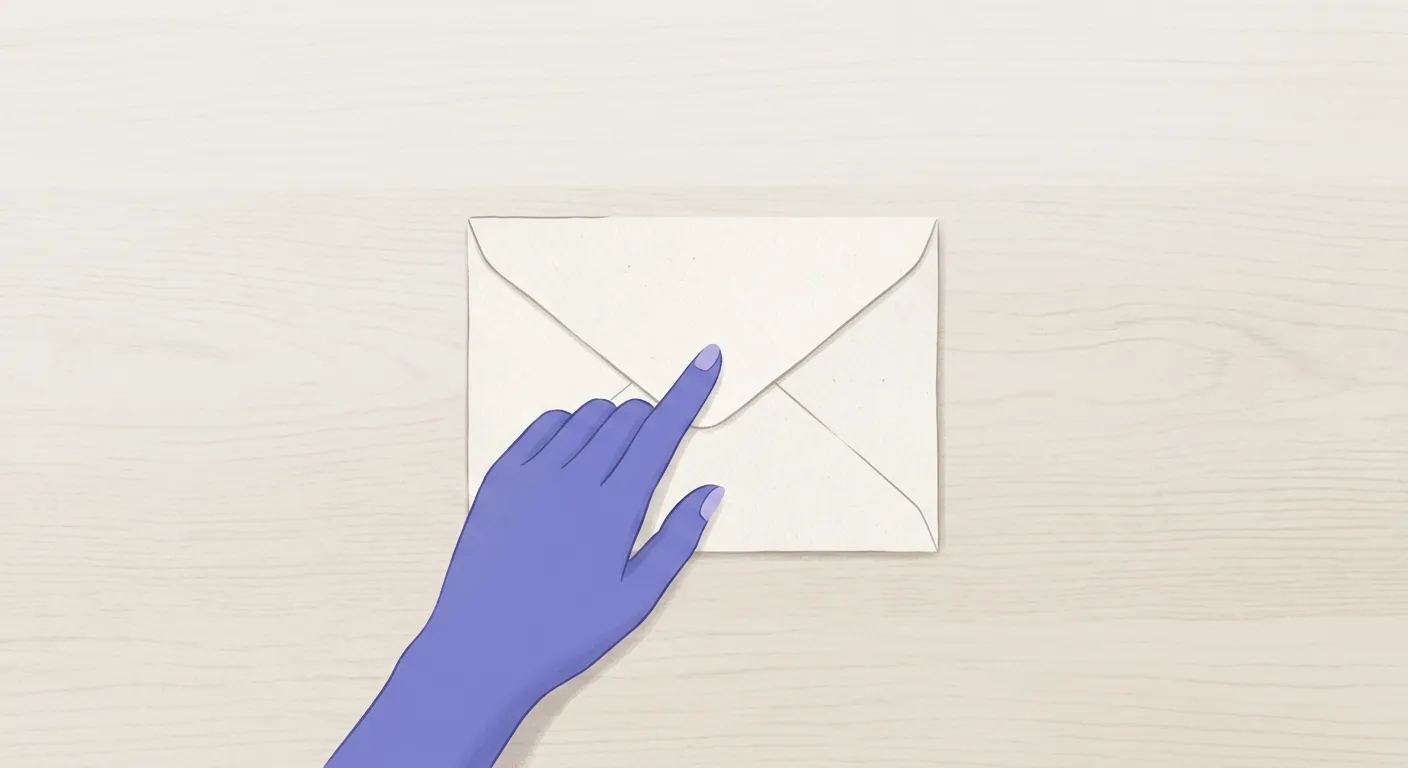
When a task freezes you in place, do not count down in your head. Simply rest a finger or the palm of your hand on an object tied to what needs doing—the edge of your keyboard, a pen, or a folder—without forcing any further movement. This neutral physical contact reassures your nervous system and breaks the immobility where sheer willpower only strengthens the lock.
The Trap of Counting Down Under Stress
Popularized by Mel Robbins, the 5-second rule sounds straightforward: count “5, 4, 3, 2, 1” and launch yourself into action before your brain can invent an excuse. That trick may suffice to jump out of bed or lace up running shoes. But whenever a task carries dull anxiety, guilt over accumulated delays, or a dread of falling short, the tactic backfires.
Faced with a perceived threat, current research indicates that the amygdala fires an immediate alarm. The countdown then lands like a blunt ultimatum. Instead of unlocking movement, this artificial urgency tightens the chest and locks the muscles.
Under chronic stress, this surge of nervous tension can take the prefrontal cortex offline—the very region responsible for initiating action. By the time you hit zero, your body remains rooted to the spot, saddled with the bitter feeling of failing at a technique supposedly built for everyone.
Why the Nervous System Shuts Down Movement
This involuntary freeze state hits adults with ADHD or a track record of repeated setbacks especially hard. When incoming demands or emotional stakes overwhelm your immediate bandwidth, the autonomic nervous system defaults to immobility to cut its losses.
Trying to force momentum in this state is like stomping on the gas pedal with the emergency brake fully engaged. This is precisely why simply starting does not work once your physiology senses danger.
Consider Marcus. Allergic to the high-energy demands of conventional productivity advice, he shuts down the moment a tool urges him to be disciplined. Staring at an overdue spreadsheet, repeating “5, 4, 3, 2, 1” sounds like arbitrary pressure. His jaw clenches, his hands stay glued to his thighs, and the afternoon slips away without a single cell updated.
Leading With the Body Instead of the Mind
Trying to reason your way out of paralysis while your brain is in threat mode only deepens the internal stalemate. The way forward reverses the direction of the signal: using physical inputs to quiet mental alarms.
Proprioceptive sensors in your muscles and joints send a continuous stream of feedback to the brainstem. A gentle touch or a trivial micromovement signals to the nervous system that defensive immobility is no longer necessary. This bottom-up feedback shifts your state of alertness without requiring cognitive effort.
Instead of demanding that you write a full paragraph, simply touch the spacebar. Instead of telling yourself to fold a pile of laundry, hold one shirt between two fingers and let it rest there. A gesture that small carries zero risk of failure: it mechanically confirms to your body that your immediate environment is safe.
Shrinking the Gesture Until the Threat Disappears
As long as a step carries an expectation of performance, the body stays on guard. The breakdown has to go low enough that the action loses all its power to intimidate. This is the foundation behind the Hindigo app, which isolates tiny micromovements stripped of any pressure to succeed.
Here is how Hindigo breaks down an intimidating chore:
- Place the envelope on the desk in front of you (5 min)
- Open the flap and slide the letter out (5 min)
- Write the sender’s name on a scrap piece of paper (5 min)
Sarah runs into this paralysis daily. Juggling demanding client work and single parenting, official mail piles up because she dreads getting interrupted halfway through.
One evening, staring at an overdue notice on the counter, she skips the countdown and uses physical contact instead: she rests her palm flat on the envelope for ten seconds, without opening it. The tension in her shoulders drops. She then lifts the flap, scans the first sentence, and takes care of the bill. The next morning brings fresh disruptions, but she now knows that starting does not depend on a heroic surge of motivation.
Three Neutral Anchors to Restore Movement
When paralysis sets in, stop waiting for a rush of willpower. Lean on these three neutral physical checkpoints:
- Acknowledge the physical tension: notice your raised shoulders or clenched jaw, and deliberately give up on the idea of finishing the entire task today.
- Make physical contact: rest your forearms on the desk, touch the tool you need, or slide an object two inches to the side.
- Let motor control return: breathe at your own pace for a few seconds and see if your hands are open to a second micromovement, without planning anything past it.
The countdown assumes the mind can force the body forward by ambush. When fatigue or anxiety cuts off the circuits, only the reverse works: letting a relaxed hand show the head that the coast is clear.
Sources
Frequently asked questions
Why does the 5-second rule fail on anxiety-inducing tasks?
Countdown techniques can overcome brief hesitation, but they backfire on deep emotional blocks. When a chore triggers fear, shame, or dread, counting down acts as an ultimatum that alarms the amygdala. This artificial pressure reinforces motor freeze rather than unlocking action.
What is the freeze response when facing everyday tasks?
It is an involuntary reflex triggered by the autonomic nervous system when confronting sensory overload or a perceived threat. Facing an intimidating obligation, the body inhibits movement to conserve resources, temporarily preventing the prefrontal cortex from initiating motor execution.
How does simple physical touch help overcome paralysis?
A passive movement like resting your hand on a keyboard or touching a folder carries zero risk of failure and no cognitive demand. Proprioceptive receptors send a bottom-up safety signal to the brainstem, reducing nervous tension so motor initiation can resume without force.
Why is task paralysis so common with ADHD?
ADHD involves chronic executive dysfunction, particularly around working memory and task initiation. When instructions feel vague or past delays stir up guilt, the attentional system saturates quickly, tripping the nervous system into an involuntary physical freeze.